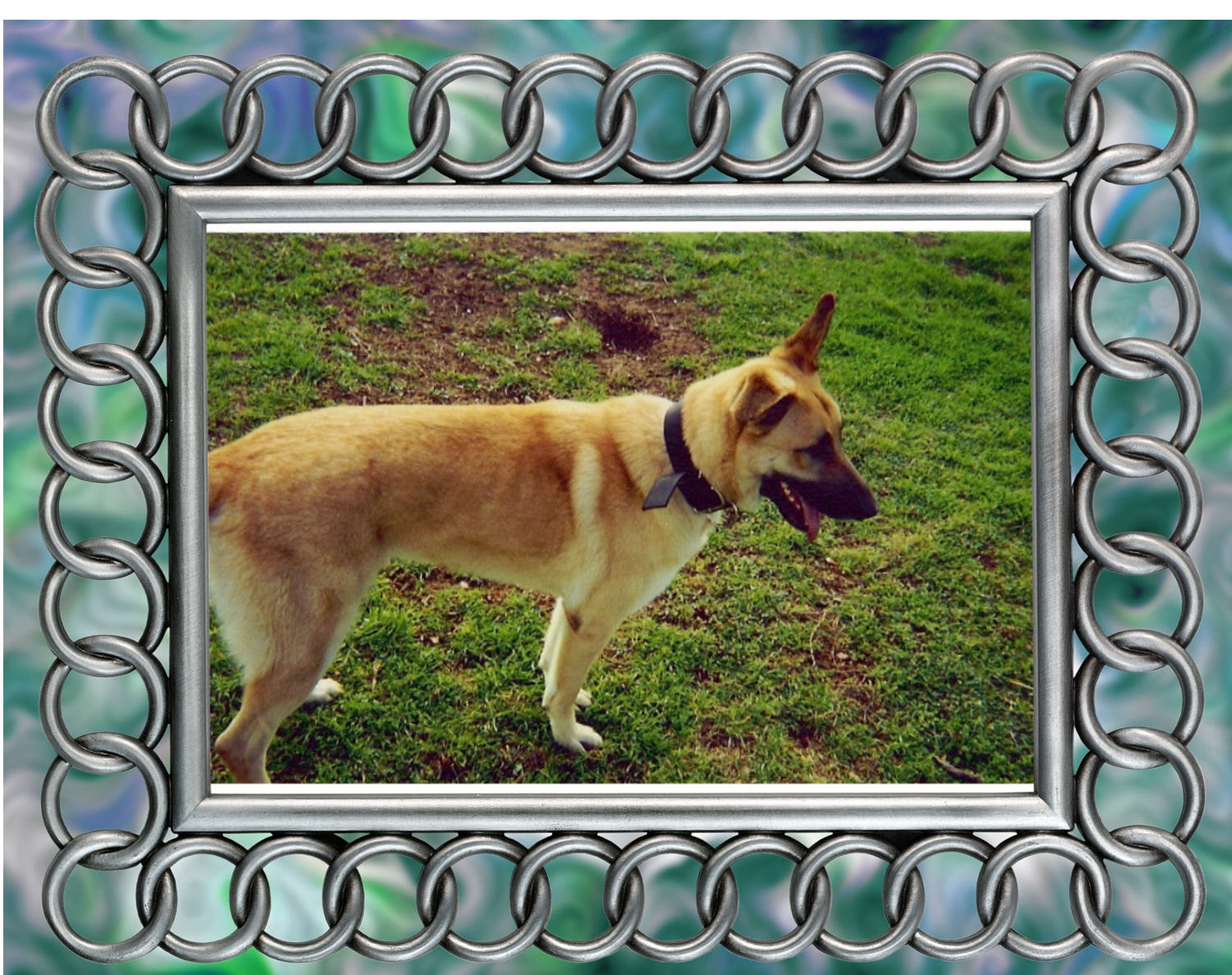
Free information on what to do if your dog growls or barks

Canine Growling & Barking Problems
Most dogs get noisy when exposed to anything new or unusual. The stimuli
that trigger noise can vary for dogs and includes barking, whining, growling,
or howling.
Many situations can lead to barking:
- Strangers or other animals entering the dog's property
- Sight of prey, such as a squirrel
- Separation from their pack, mother, or family members
- Novel sounds, such as a smoke alarm
- Need for attention, food, or affection
- Other anxieties or high states of arousal
Growling is associated with fearful or assertive displays. Whenever
growling or barking is successful at achieving the pet's goals, the dog feels
rewarded. Subsequently, the growling will likely become more frequent or
intense.
Medical problems can contribute to vocalization, and senile changes may
lead to barking problems in older pets. In some cases where barking becomes
intense, repetitive, and difficult to interrupt, it may be deemed compulsive.
Pets with medical, geriatric, and compulsive disorders may benefit from drug
therapy along with behavioral retraining techniques.
Prevention Starts Early
Socializing puppies to a variety of new people, animals, environments, and
noises can reduce anxieties as the dog grows up. Owner control, training, and
leadership are also essential. While young, the dog should learn to spend time
playing or relaxing by itself so that it's not too distressed when it must be
left alone.
Correcting Bad Habits
Correcting a barking problem requires an understanding of the situations
and stimuli that initiate barking. Until effective control and leadership is
established, training programs are unlikely to be successful. Once you have
effective control over your dog, you can begin to train it to quiet down when
barking begins. Training the dog to stop barking on command can be
accomplished with lure-reward techniques, disruption techniques, or head
halter and leash training.
Begin training sessions with situations that are easily controlled (a
family member knocking at the door) before proceeding to more difficult
situations (a stranger coming to the door).
Training a dog to be quiet on command allows it to continue to bark at
stimuli but stop at your request. Rewards are then given for quiet behavior.
At each subsequent training session the dog should remain quiet a little
longer before the reward is given. Teaching a dog to stop all barking in the
presence of the stimulus is much more difficult. To be successful, barking
must be interrupted immediately as it begins, and the process repeated until
the dog does not bark at the stimulus (at which time it can be rewarded).
Punishment is generally ineffective in the control and correction of
barking problems. Excessive punishment can increase anxiety and further
aggravate the problem, while insufficient punishment merely rewards the
behavior by providing attention.
For punishment to be effective, barking must be disrupted at the instant it
begins, using a technique or device that effectively interrupts the barking.
When you are not present as barking begins, the only solution might be to use
bark-activated products. But unless the dog is also trained to be quiet in the
presence of the stimulus, devices will only disrupt, not eliminate barking
habits.
Practical Products
There are several products that may successfully interrupt barking.
Owner-activated devices are often effective at disrupting barking and
achieving a quiet response. Devices include ultrasonic trainers, audible
alarms, water sprayers, and shake cans (empty soda can with coins or pebbles
sealed inside).
Bark activated products are often the most practical means of deterring
inappropriate barking, and may be a better choice than owner-activated devices
since they ensure immediate and accurate timing. They are also effective in
training the dog to stop barking in selected areas.
Off-collar, bark-activated alarms or water sprayers are useful for training
the dog to cease barking in specific locations. Bark-activated collars are
practical when barking does not occur in a single, specific location.
Audible and ultrasonic collars are occasionally effective but seldom a
reliable deterrent. Citronella-spraying collars are effective with most dogs.
Electronic shock collars are a final option. Since they have the potential for
injury or abuse, discuss this option with your veterinarian.
As soon as the barking ceases, take the opportunity to direct the dog into
appropriate behavior, such as play, so the problem diminishes over time.
Wayne L. Hunthausen, DVM,
and Gary M. Landsberg, DVM

If your dog is experiencing stressed out behavior
We Have The Solution To Your Problem
All Natural and Very Effective Dog Relaxant
Find Out More
Here
See Also:
All Canine Care & Doggie Fun Stuff
Search Our Site for Dog & Pet Information
How to Keep Your Dog & Cat Healthy