Please Help Pets by Donating One Dollar
Purebred Cats
By: Alfred
Purebred cats are bred to the Cat Fanciers' Association
(CFA) standards. These particular cat breeds have pedigrees
and papers that designate them as part of a particular cat
breed. Most purebreds have a lineage of cats and the more
impressive the lineage the more expensive the cat.
One reason people look for purebred cats is that in most
cases they reliably match the breed standard, so if you know
the breed standard you have some idea of what to expect from
your cat psychologically and physically. For example,
purebred Persian cats are known for long beautiful coats and
for being calm and affectionate with their owners but
standoffish with strangers.
A danger with purebreds is that if the breeders are not
responsible genetic health and temperament problems can crop
up due to inbreeding. But if you want a particular type of
cat with particular characteristics then choosing a purebred
is a better way to be sure that you will get what you want.
According to the Cat Fanciers' Association there are
currently thirty-nine breeds of cats in the registry and
labeled as Purebreds.
Remember though, even though you may choose a purebred cat
for particular characteristics there are always cats in the
breed that break the mold and are non-standard. So even if
you get a Persian that looks like a Persian it is possible
that it may act more like another breed. Some of this
depends on the environmental conditions as well.
The Cat Fanciers' Association recognizes 39 pedigreed breeds
for showing in the Championship Class, and 1 breed as
Miscellaneous.
Here is a list of the Purebred breeds and their general
characteristics:
1. Abyssinian: short hair, medium size, active, mildly vocal,
affectionate
2. American Bobtail: short hair/semi-long hair,
medium/large size, active, non-vocal, affectionate/intelligent
3. American Curl: long hair/short hair, medium/large size,
active, non-vocal, gentle/even disposition
4. American Shorthair: short hair, medium/large size,
laid-back, mildly vocal, affectionate
5. American Wirehair: short hair, medium/large size, active,
mildly vocal, affectionate
6. Balinese (including Javanese): semi-long hair, medium size,
active, vocal, affectionate
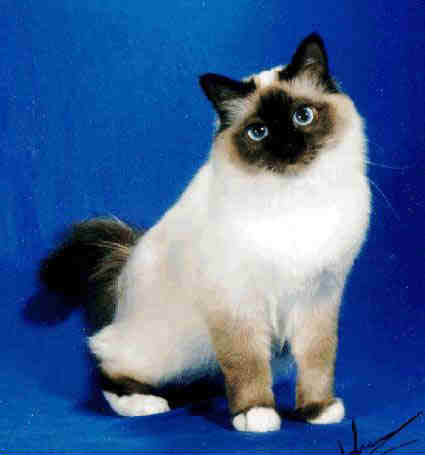
7. Birman: long hair, medium/large size, semi-active,
mildly vocal, Very affectionate
8. Bombay: short hair, medium size, semi-active, vocal,
friendly
9. British Shorthair: short hair, large, laid-back, non-vocal,
watchful/loyal
10. Burmese: short hair, small/medium size, semi-active,
vocal, affectionate
11. Chartreux: short hair, large, laid-back, mildly vocal,
very affectionate
12. Colorpoint Shorthair: short hair, medium size, active,
vocal, affectionate
13. Cornish Rex: short hair, small/medium size, active,
vocal, affectionate
14. Devon Rex: short hair, small/medium size, active,
vocal, affectionate
15. Egyptian Mau: short hair, medium size, active,
vocal, charming
16. European Burmese: short hair, medium size, semi-active,
vocal, affectionate
17. Exotic: short hair, large, laid-back, non-vocal,
very affectionate
18. Havana Brown: short hair, medium size, active, mildly vocal
19. Japanese Bobtail: long hair/short hair, medium size,
active, vocal
20. Korat: short hair, medium size, active, vocal
21. LaPerm: short hair/semi-long hair, medium size, active,
mildly vocal, intelligent/affectionate
22. Maine Coon: long hair, large, active, non-vocal, friendly
23. Manx: long hair, medium size, active, mildly vocal,
intelligent/affectionate
24. Norwegian Forest: long hair, large, laid-back, mildly vocal,
affectionate
25. Ocicat: short hair, large, active, mildly vocal
26. Oriental: short hair, medium size, active, vocal
27. Persian (including Himalayan): long hair, large, laid-back,
non-vocal, affectionate
28. Ragamuffin: semi-long hair/long hair, large, laid-back,
non-vocal, affectionate (Miscellaneous Class only)
29. Ragdoll: long hair, large, laid-back, non-vocal, affectionate
30. Russian Blue: short hair, medium size, active, mildly vocal,
affectionate
31. Scottish Fold: short hair/long hair, medium size, laid-back,
non-vocal
32. Selkirk Rex: short hair/long hair, large, active,
mildly vocal, and affectionate
33. Siamese: short hair, medium size, active, vocal, affectionate
34. Siberian: semi-long hair, medium size, Very active, mildly
vocal, intelligent/affectionate
35. Singapura: short hair, small, active, vocal, affectionate
36. Somali: semi-long hair, medium size, active, vocal
37. Sphynx: Very short hair, medium size, active, mildly vocal,
charming/Friendly
38. Tonkinese: short hair, medium size, active, vocal,
affectionate
39. Turkish Angora: semi-long hair, small/medium size, active,
vocal, affectionate
40. Turkish Van: semi-long hair, large, active, vocal,
affectionate
This list does not take into account cat's color, markings or body
shape. For a more complete list and understanding of
purebred cats go to the Cat Fanciers' Associates website and
there you can read up on any purebred cat that strikes your
fancy.
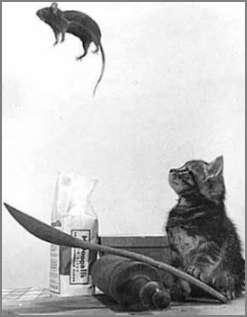
Sometimes cats just act bored with what's been
served them for breakfast or lunch.
If your Purebred Cat thinks it is in need of something
better on it's daily menu, then we suggest taking a look
at what most cat owners consider to be the finest cat
food currently available on the market.
Your Purebred Cat Deserves a chance at Eating
only the Best
 Cuisine for Purebred Cats
